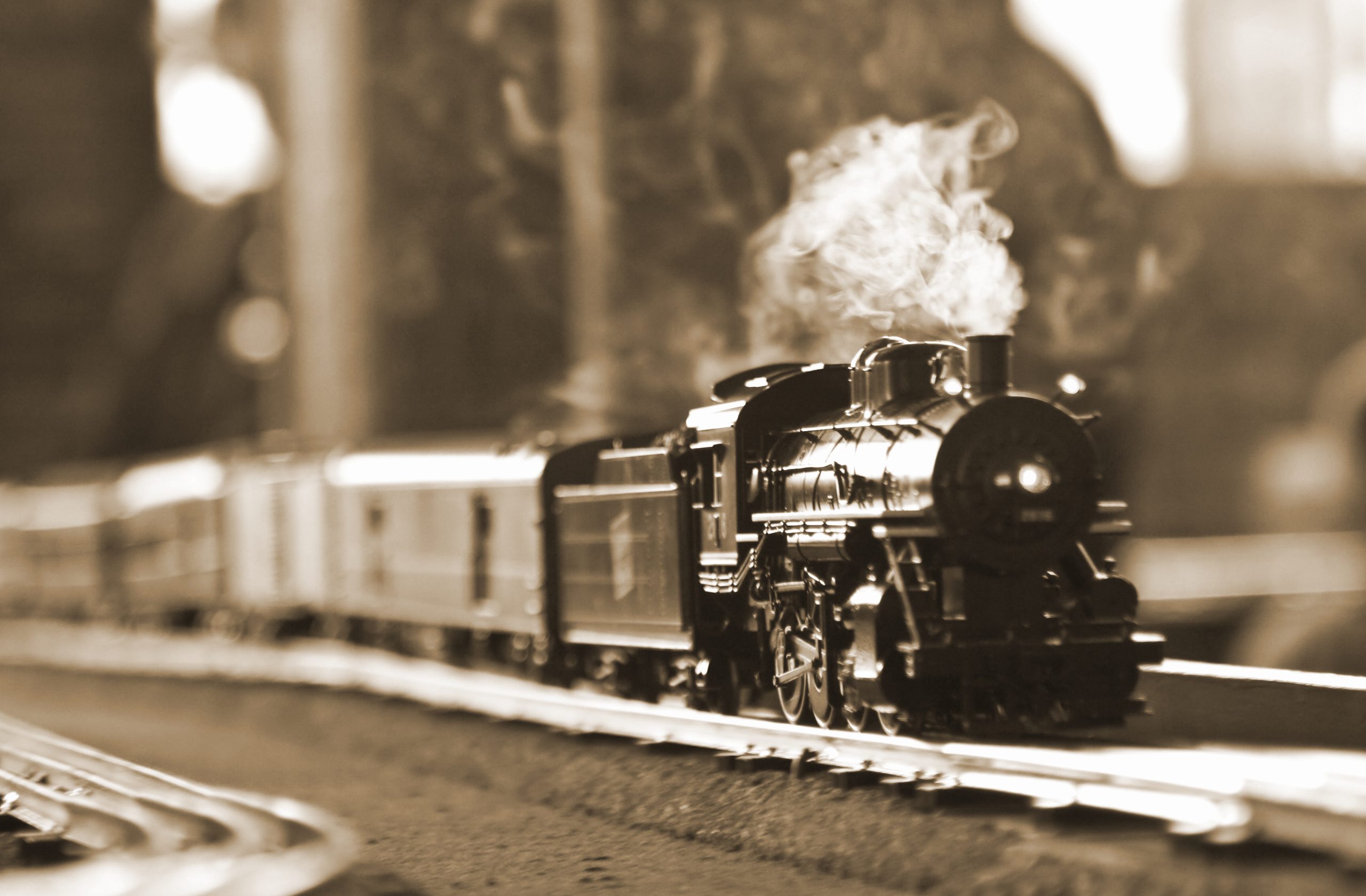
Model railroading has evolved from a simple recreational activity into a fascinating hobby that combines engineering, creativity, history, and craftsmanship. Among the many names associated with this transformation, Lionel has maintained a significant presence for more than a century. From early electric trains to modern models featuring advanced technology, Lionel train sets have influenced the development of model railroading and inspired generations of enthusiasts. Their contribution extends beyond entertainment, helping shape the way people collect, operate, and appreciate miniature railroads.
The Early Development of Lionel Train Sets
The history of Lionel began in 1900 when Joshua Lionel Cowen established the Lionel Manufacturing Company. During this period, electric trains were relatively new, and miniature railroads were gradually gaining popularity. Lionel introduced electric train models that attracted attention because of their movement, mechanical features, and innovative designs.
Early Lionel trains demonstrated how electricity could transform traditional toys into interactive mechanical systems. Unlike stationary miniature models, electric trains allowed users to control movement and create functioning railroad layouts.
As manufacturing techniques improved, Lionel expanded its offerings with locomotives, passenger cars, freight cars, and track accessories. These developments helped establish electric model trains as a recognizable hobby rather than simply another category of children’s toys.
Making Model Railroading Accessible to Families
One of Lionel’s most important contributions was introducing model railroading to a wider audience. Earlier miniature train models often required considerable technical knowledge or specialized craftsmanship. Lionel helped simplify the experience by offering complete train sets containing essential components for building a functional railroad.
Families could assemble tracks, connect power supplies, and operate miniature locomotives without extensive engineering experience. This accessibility encouraged children and adults to participate together.
Over time, Lionel train sets became closely associated with family traditions, particularly during holiday celebrations. Setting up a train around a decorated tree or creating a seasonal railroad display became a memorable activity in many households.
These experiences helped establish model railroading as a hobby that could be shared across generations.
Advancements in Electric Train Technology
Technological innovation played a major role in Lionel’s influence on model railroading. As electric train systems developed, manufacturers introduced features that made miniature railroad operations more engaging and realistic.
Lionel became known for innovations such as remote control operation, automatic reversing mechanisms, and operating accessories. These improvements allowed hobbyists to do more than watch trains travel around a circular track.
Operators could control train movement, activate accessories, and simulate certain activities associated with actual railroad operations.
Sound effects also became an important feature. Train whistles, bells, and other mechanical sounds added another dimension to the experience.
These innovations encouraged enthusiasts to explore increasingly sophisticated railroad layouts and helped establish expectations for interactive model train systems.
The Influence of Realistic Design and Railroad Detailing
As model railroading matured, enthusiasts began placing greater importance on authenticity. Locomotives and rolling stock were no longer appreciated solely for their ability to move. Their appearance, proportions, colors, and mechanical details became equally important.
Lionel responded to this growing interest by producing models inspired by recognizable railroad equipment. Detailed locomotive bodies, railroad markings, and realistic accessories helped hobbyists recreate elements of actual railway operations.
The popularity of O Gauge trains also contributed to Lionel’s distinctive identity. Their relatively substantial size allowed manufacturers to incorporate visible mechanical details and operating features.
For collectors and layout builders, these characteristics made Lionel models appealing for both display and regular operation.
Expanding Creativity Through Railroad Layouts
Model railroading gradually developed into an activity involving much more than assembling tracks. Enthusiasts began designing miniature landscapes, towns, stations, bridges, and industrial environments.
Lionel supported this creative expansion through operating accessories and additional track components. Hobbyists could build layouts featuring switching yards, freight loading areas, and passenger stations.
Creating these environments encouraged planning, problem-solving, and artistic expression. Operators needed to consider track arrangements, electrical connections, available space, and scenery placement.
As a result, model railroading became an interdisciplinary hobby combining mechanical understanding with imaginative design.
The Transition From Traditional Controls to Digital Features
Modern model railroading has introduced capabilities that earlier enthusiasts could scarcely imagine. Electronic control systems, digital sound technology, and wireless operation have transformed the way miniature trains function.
Contemporary Lionel products include models with advanced control options, allowing operators to manage locomotive speed, sound effects, and other functions with greater flexibility.
Some systems support control through compatible mobile devices, making train operation more convenient for technologically inclined hobbyists.
Despite these developments, traditional Lionel trains remain popular. Many collectors appreciate their mechanical simplicity, familiar appearance, and historical significance.
This fusion of contemporary technology and traditional craftsmanship serves as an illustration of the ongoing evolution of model railroading while simultaneously preserving its roots.
Preserving Railroad History Through Collecting
Lionel trains also contribute to preserving aspects of railroad history. Vintage models reflect the manufacturing techniques, design preferences, and technological capabilities of different periods.
Collectors often study production years, locomotive variations, original packaging, and historical catalogs to understand the development of individual models.
Restoring older trains provides another opportunity to preserve this history. Careful maintenance can keep vintage locomotives operational while protecting their original characteristics.
For many enthusiasts, collecting Lionel trains represents an appreciation of both miniature engineering and the broader history of transportation.
Conclusion
Lionel has played an influential role in transforming model railroading into a widely enjoyed hobby. Through accessible electric train sets, technological improvements, realistic designs, and interactive accessories, the company helped shape the experiences of generations of enthusiasts.
From traditional holiday layouts to sophisticated modern railroad systems, Lionel’s influence remains visible throughout the hobby. Its continuing appeal demonstrates that model railroading is more than a collection of miniature trains. It is a creative connection between engineering, history, imagination, and shared experiences.