Every car uses dashboard warning lights, vibrations, and noises to communicate with its driver. Certain adjustments could appear innocuous, while others might point to mechanical issues that need to be fixed right away. Car owners may increase driving safety, save costly repairs, and preserve dependable vehicle performance by being aware of these warning signals. Maintaining your automobile in top condition requires early detection of any issues, regardless of whether you drive a conventional passenger car or a premium European vehicle.
Complex mechanical and electrical systems in modern cars cooperate to provide seamless operation. When anything goes wrong, the symptoms are often apparent prior to a full collapse. Drivers may make well-informed maintenance choices by understanding the meaning of these signals.
Comprehending Unusual Sounds From Your Car
One of the first signs of mechanical problems is unusual noises. While grinding noises might point to more significant issues with the braking system, a squealing sound while applying the brakes may indicate worn brake pads. Ignoring these sounds might result in worse braking performance and higher maintenance expenses.
Engine knocking noises might be caused by worn internal parts, poor lubrication, or combustion issues. In a similar vein, a clicking sound while turning can be a sign of problems with the constant velocity joints or other suspension and steering parts.
When these noises happen, drivers should be aware of them. Whether the noise occurs while turning, stopping, or accelerating may aid experts in more quickly determining the root cause of the issue.
The Significance Of Dashboard Warning Lights
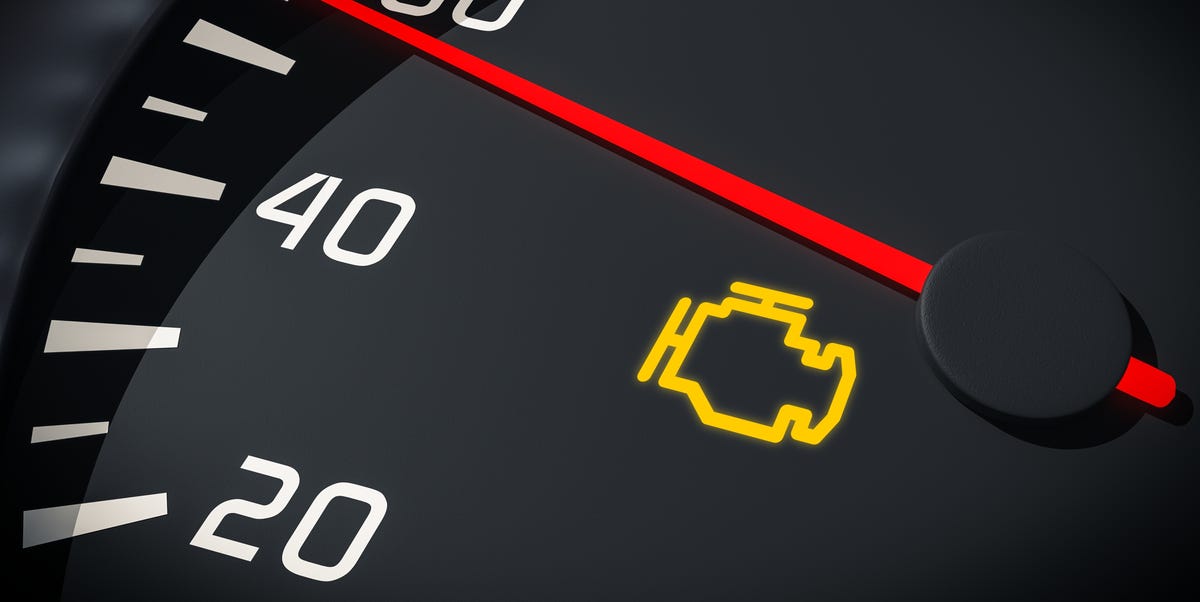
Warning lights on the dashboard provide important information regarding the condition of the car. One of the most popular signs is the check engine light, which may turn on for a number of reasons, such as sensor failures, difficulties with the emissions system, or problems with engine performance.
Because low oil pressure may seriously harm engines, the oil pressure warning light has to be attended to right away. When this warning flashes, drivers should safely stop and turn off the engine.
In a similar vein, an illuminated brake warning light may indicate low brake fluid or other issues with the braking system, whilst a battery warning light may indicate issues with the charging system.
Expert diagnostic services, like those offered by auto repair in Las Vegas, can assist in determining the proper repair solutions and identifying the reasons behind warning lights.
Identifying Modifications In Vehicle Performance
Unusual noises or warning lights are not always the result of mechanical issues. Sometimes a discernible shift in driving performance is the first sign.
Unexpected vibrations, rough idling, decreased fuel economy, and difficulty accelerating might all be signs of issues with the engine, gearbox, or fuel delivery system. A car that pulls to one side might have suspension difficulties, unequal tire pressure, or alignment problems.
Additionally, drivers should keep an eye on variations in braking distance and steering response. These symptoms should be assessed before they become more significant safety issues since they may impair vehicle control.
Why European Automobiles Require Particular Care
European automobiles often have complex engines, specialist mechanical parts, and cutting-edge electrical systems. Although these technologies improve comfort and performance, they may require specialized diagnostic tools and technical expertise.
Selecting seasoned experts who are knowledgeable about European automotive engineering may have a big impact on accurately detecting and fixing issues.
Knowing the value of specialist maintenance will assist drivers looking for All European I Auto Repair Las Vegas in making better choices regarding long-term dependability and vehicle upkeep.
Major Repairs Can Be Prevented With Preventive Maintenance
One of the best strategies to avoid unplanned mechanical problems is still routine maintenance. Frequent tire checks, brake inspections, oil changes, and fluid monitoring assist technicians in spotting emerging issues before they become costly.
Engine efficiency and overall vehicle longevity are further supported by adhering to manufacturer-recommended service intervals. Periodic inspections may uncover underlying problems that could otherwise go undetected, even when an automobile seems to function correctly.
Conclusion
Driving performance changes, strange sounds, and dashboard warning lights should never be disregarded. These signals provide crucial information about the mechanical state of a car and any maintenance needs.
Drivers may prevent needless damage to their cars by acting quickly and spending money on expert maintenance. Auto repair emphasizes the value of expert vehicle care for sustaining reliable performance and safer driving experiences, whether it is handling basic maintenance or complicated mechanical issues.